

World Ozone Day Seminar held at Delhi Technological University
National Seminar on World Ozone Day 2026
“Beyond the Shield: Bridging Ozone Recovery and Climate Action”
On the occasion of World Ozone Day (16 September 2026), commemorating the Montreal Protocol for protection of the Ozone Layer, the Green Institute for Research and Development (GIRD), New Delhi, organized a National Seminar titled "Beyond the Shield: Bridging Ozone Recovery and Climate Action".
The event was held in academic partnership with the Department of Environmental Science and Engineering, Delhi Technological University (DTU), and supported by the Ministry of Earth Sciences, Government of India.
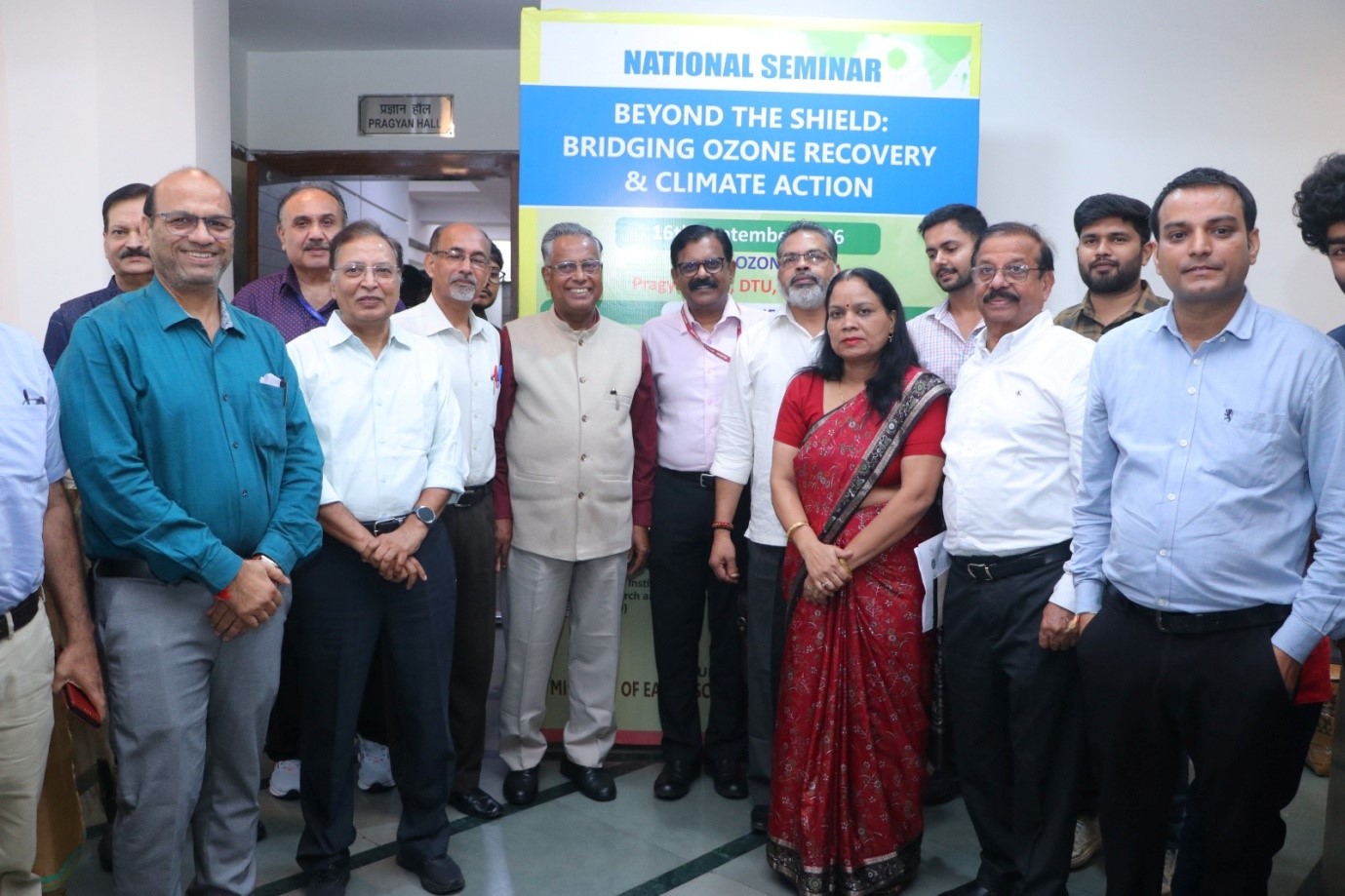
Caption: Chief Guest Dr. Praveen Kumar alongside GIRD leadership, DTU faculty, and eminent delegates at Delhi Technological University.
Key Seminar Highlights & Discussions
Eminent scientists, policy experts, and scholars from across the country participated in the discussions.
Stratospheric Success vs. Tropospheric Challenges
While the Montreal Protocol has successfully reduced stratospheric ozone depletion, threats in the troposphere persist due to rising emissions, unregulated pollutants, and climate change linkages.
Sustainable Cooling (ICAP)
Speakers highlighted the critical role of the India Cooling Action Plan (ICAP) in driving sustainable cooling, energy efficiency, and the adoption of low-Global Warming Potential (GWP) refrigerants.
Call to Action
The seminar emphasized strengthening research, enhancing youth engagement, and aligning policy to connect ozone protection with broader climate action for Sustainable Development Goals (SDGs).
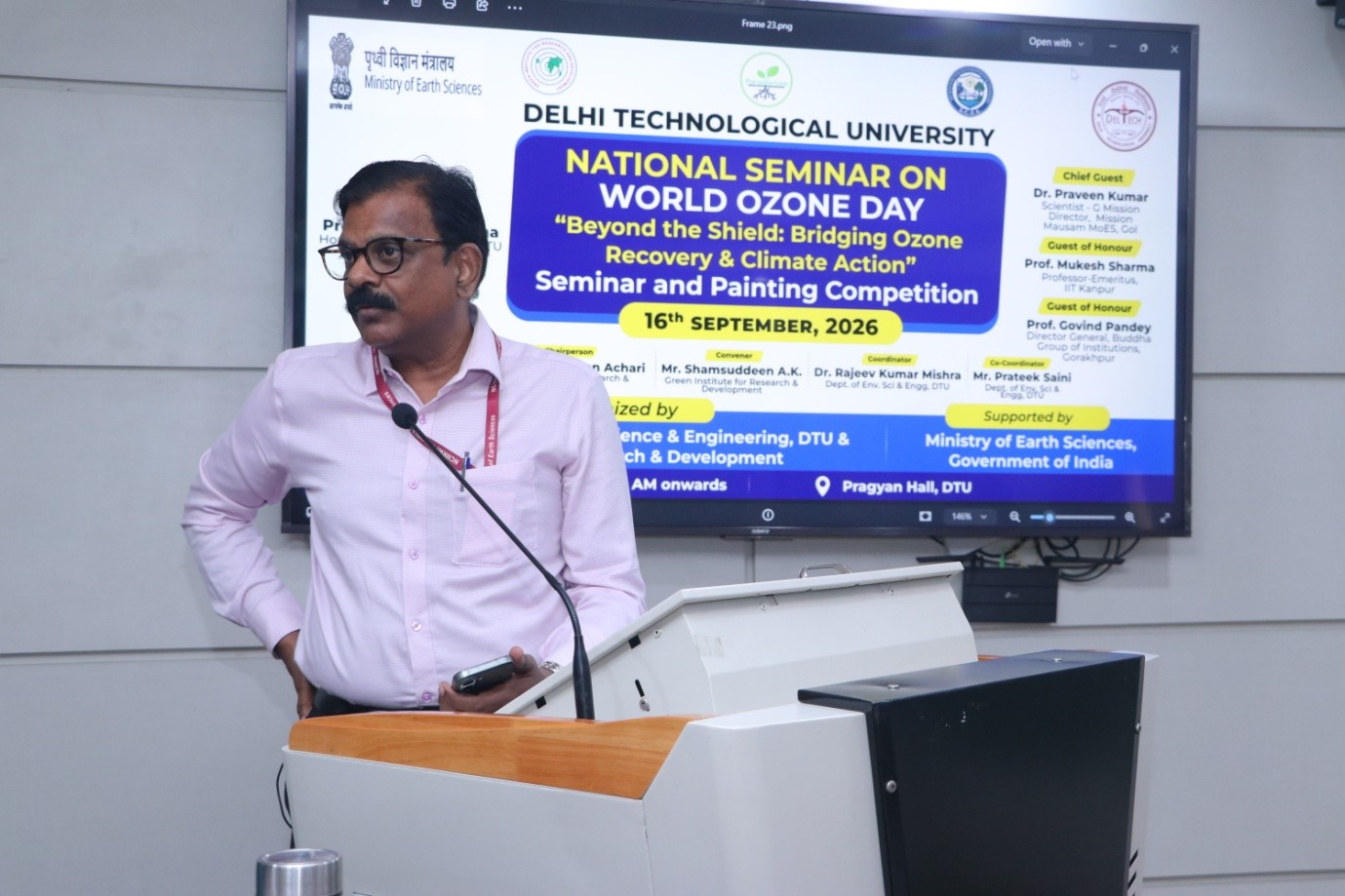
Caption: Chief Guest Dr. Praveen Kumar, Director, Mission Mausam, addressing the gathering.
Keynote & Chief Guest Address
Chief Guest Address: Dr. Praveen Kumar, Director, Mission Mausam (Ministry of Earth Sciences), addressed the gathering on the vital interlinkages between ozone recovery, climate monitoring, and India's Mission Mausam initiative.
Role of NGOs: Dr. K.P. Hareendran Achari (President) and Mr. Shamsuddeen A.K. (Secretary), GIRD, emphasized the vital role of community-led action by NGOs in advancing climate action.
Expert Insights & Technical Sessions
Guests of Honour Prof. Mukesh Sharma (Professor-Emeritus, IIT Kanpur) and Prof. Govind Pandey (Director-General, Buddha Group of Institutions, Gorakhpur) delivered expert presentations covering:
- Scientific facts behind the ozone layer and causes of its depletion.
- Practical solutions and global achievements under the Montreal Protocol.
- Robust mechanisms for ongoing monitoring and climate action enforcement.
Technical Session Presenters
Scientist, Switzerland
Chief Scientist, National Physical Laboratory
IIT Delhi
Former Director, Department of Environment, Govt. of Delhi
Scientist, Indian Meteorological Department
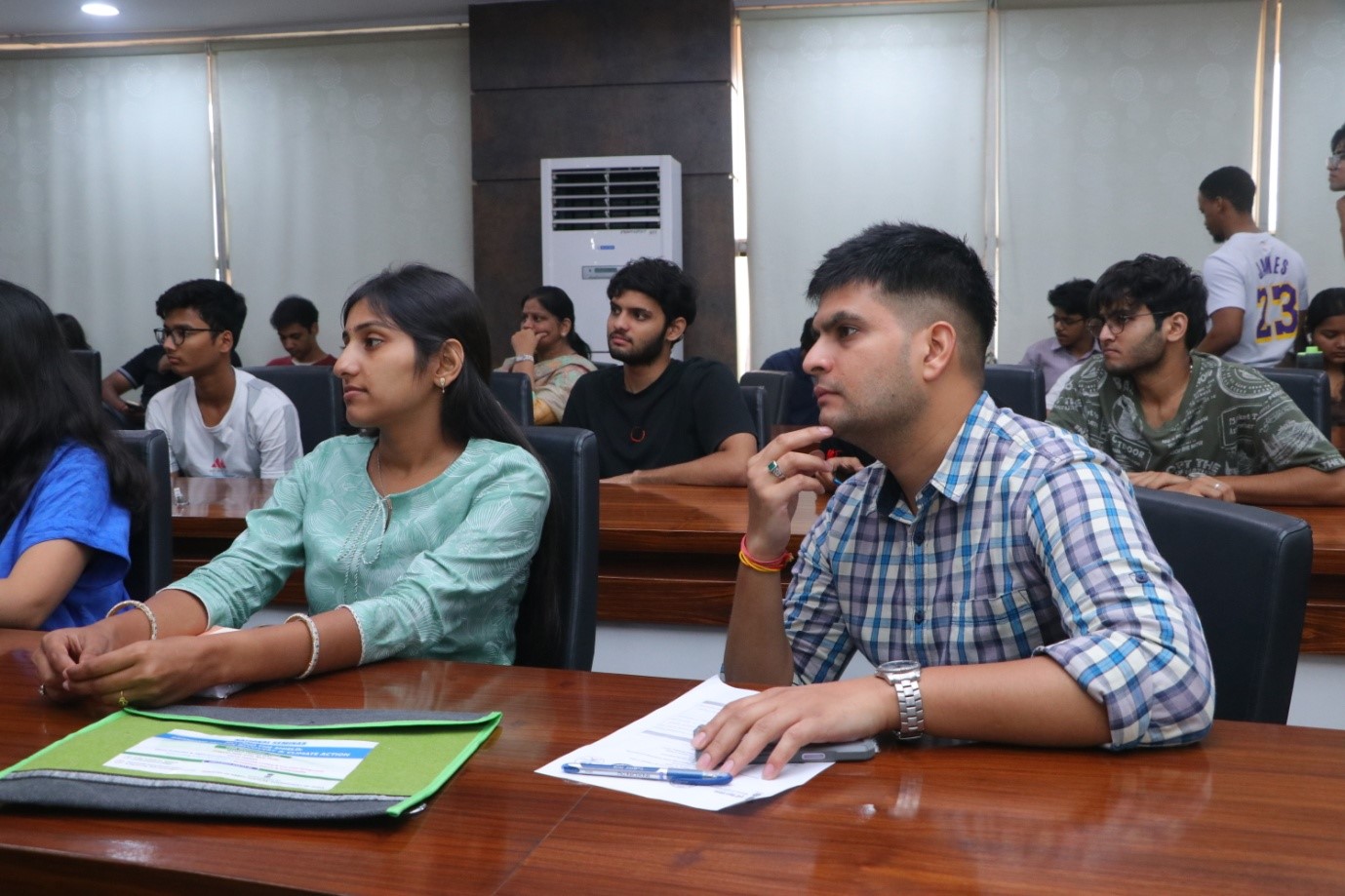
Caption: Student delegates and scholars participating in the technical sessions.
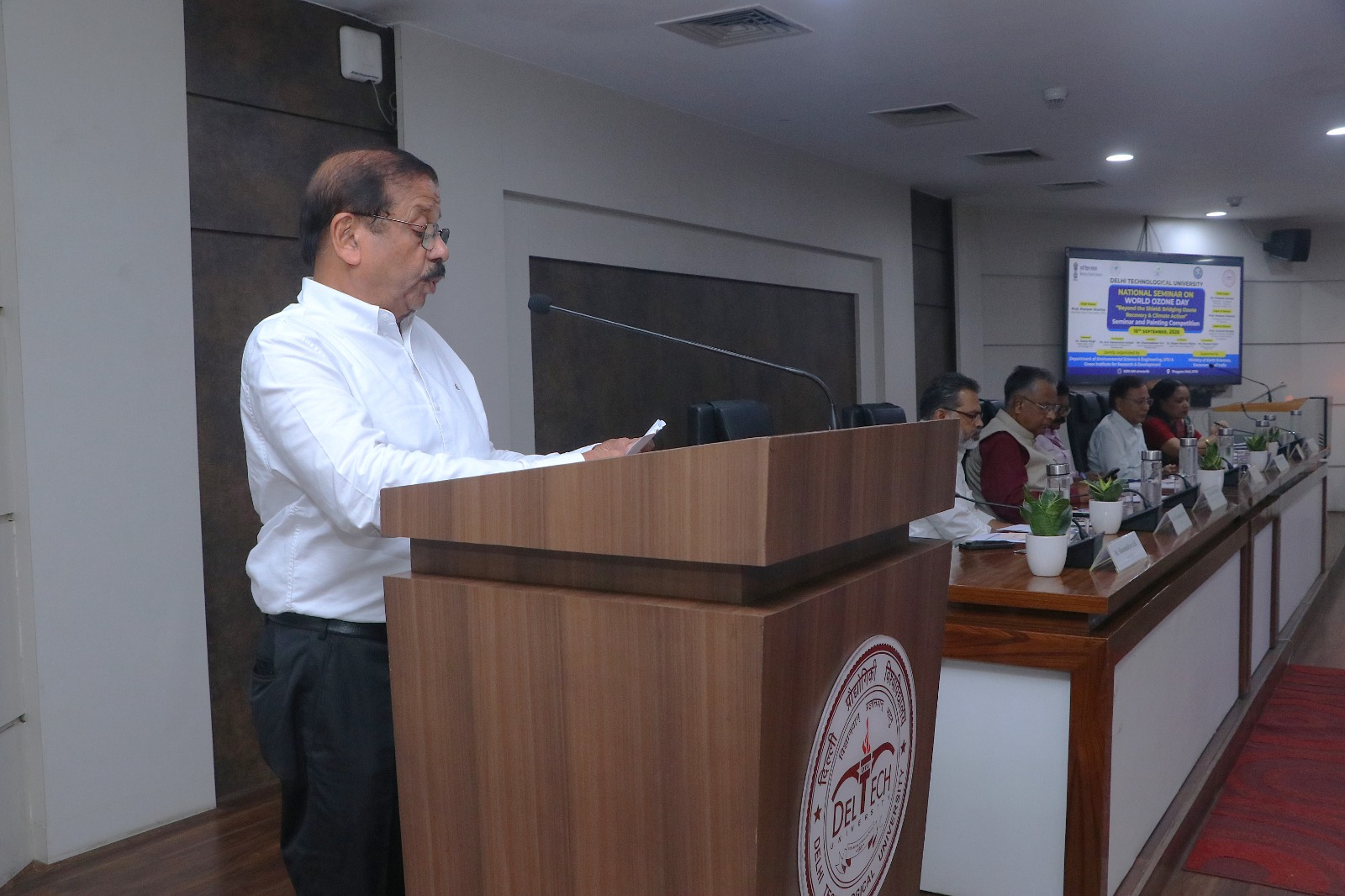
Caption: GIRD Secretary delivering opening remarks during the National Seminar.
More Pictures from the Seminar
Glimpses from the National Seminar, technical sessions, guest interactions, student participation, and academic discussions held at Delhi Technological University.
Seminar delegates and distinguished guests.
Chief Guest addressing the gathering.
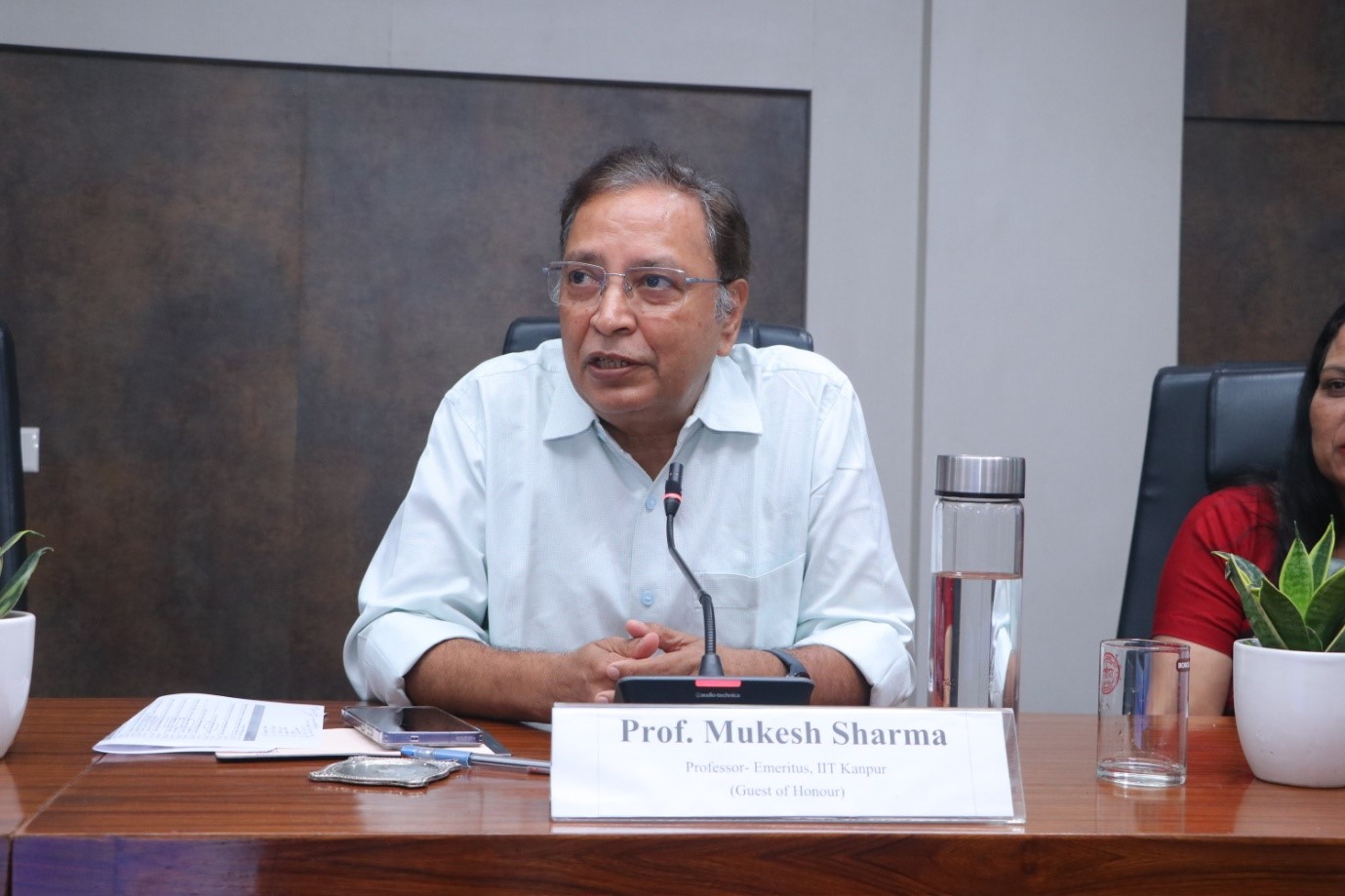
Interaction with seminar delegates.
Students and scholars during technical sessions.
GIRD Secretary delivering opening remarks.
Towards a Sustainable Future
The seminar concluded with a shared commitment to strengthening scientific research, public awareness, youth participation, and collaborative action towards protecting the ozone layer and addressing the challenges of climate change.