

The Role of Traditional Systems of Medicine in Healthcare Needs
Green Institute for Research and Development (GIRD) organised a grand National Seminar on World Food Day, bringing together experts, policymakers, researchers and industry representatives to discuss scientific validation, quality assurance and the future of traditional systems of medicine.
▶ See the Seminar VideoThe seminar was organised with the support of the National Medicinal Plants Board (NMPB), Ministry of Ayush, Government of India, and in partnership with the Centre of Excellence in Unani Medicine (CeO UM), School of Pharmaceutical Education and Research (SPER), Jamia Hamdard.
It called for evidence-based validation of AYUSH medicines and a transparent farm-to-pharma supply chain to strengthen the credibility, quality and wider acceptance of traditional healthcare systems.
Inaugural Session and Distinguished Guests
The seminar brought together policymakers, analysts, research institutions including CCRAS, CCRUM and NIPER, university faculty, research scholars, AYUSH manufacturers, companies and suppliers.
The inaugural function was graced by Prof. (Dr.) M. Z. Abdin, Vice Chancellor, Jamia Hamdard; Dr. Mahesh K. Dadhich, CEO, NMPB; Dr. N. Zaheer Ahmad, Director General, CCRUM; and Dr. C. K. Katiyar, Advisor, AIIA, Delhi and NIPER, Guwahati. The session also featured Dr. K. P. Hareendran Achari, Mr. Shamsuddeen A. K., Secretary, GIRD, and Prof. (Dr.) Sayeed Ahmad, Director, Centre of Excellence in Unani Medicine.
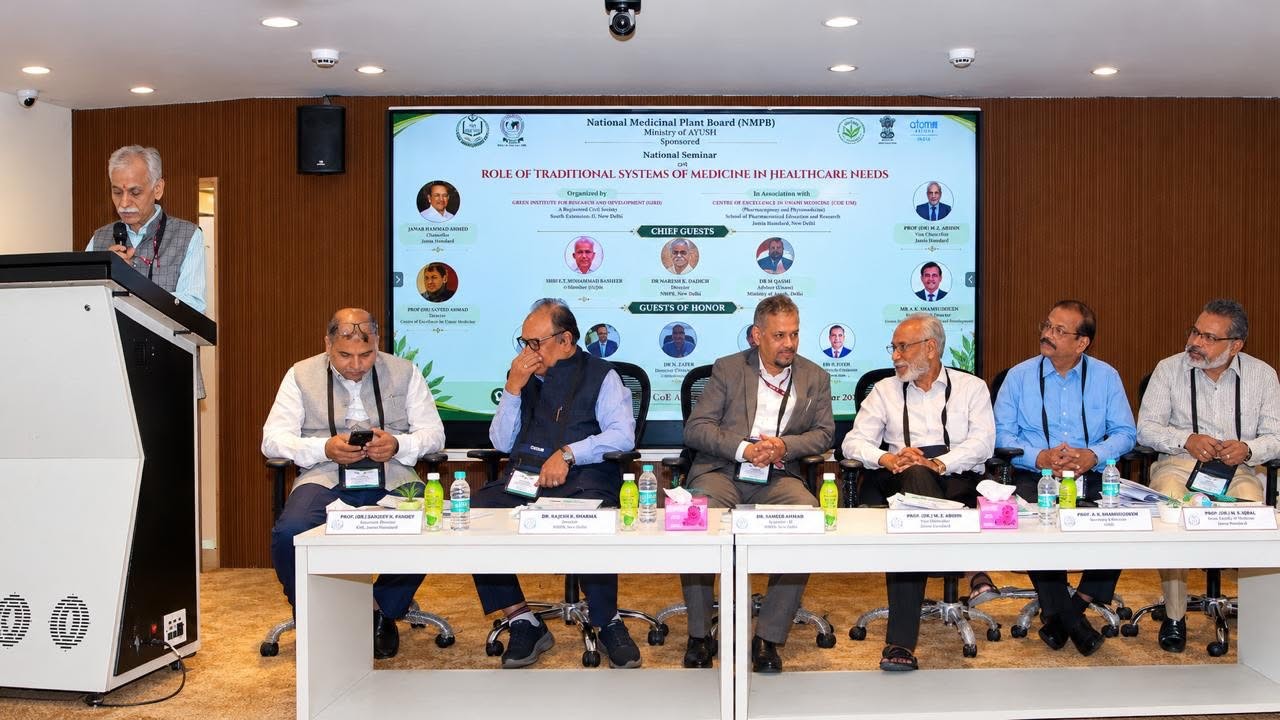
Evidence-Based Validation of Traditional Medicine
Experts emphasised the critical need for robust clinical trials and evidence-based validation to strengthen the credibility and global scientific acceptance of AYUSH medicines and treatments. Discussions highlighted preclinical and clinical evaluations exploring the efficacy of traditional formulations in managing chronic and metabolic disorders.
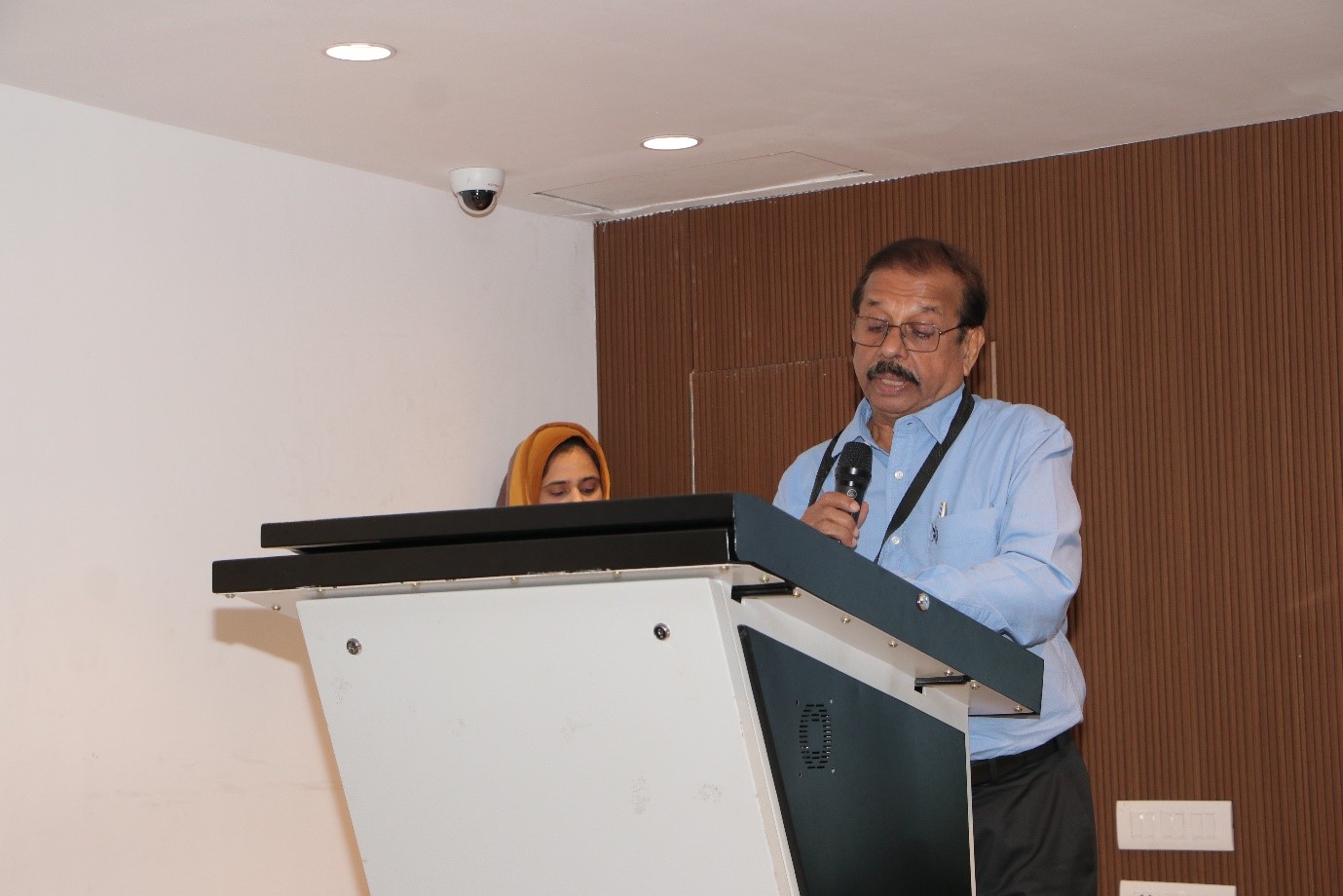
Building a Transparent Medicinal Plant Supply Chain
A major focus was the sustainable availability, authentication and quality of raw medicinal plant materials. Speakers called for transparent traceability from farm to finished product and stronger measures to tackle adulteration using modern analytical techniques, including DNA barcoding and chromatographic fingerprinting.
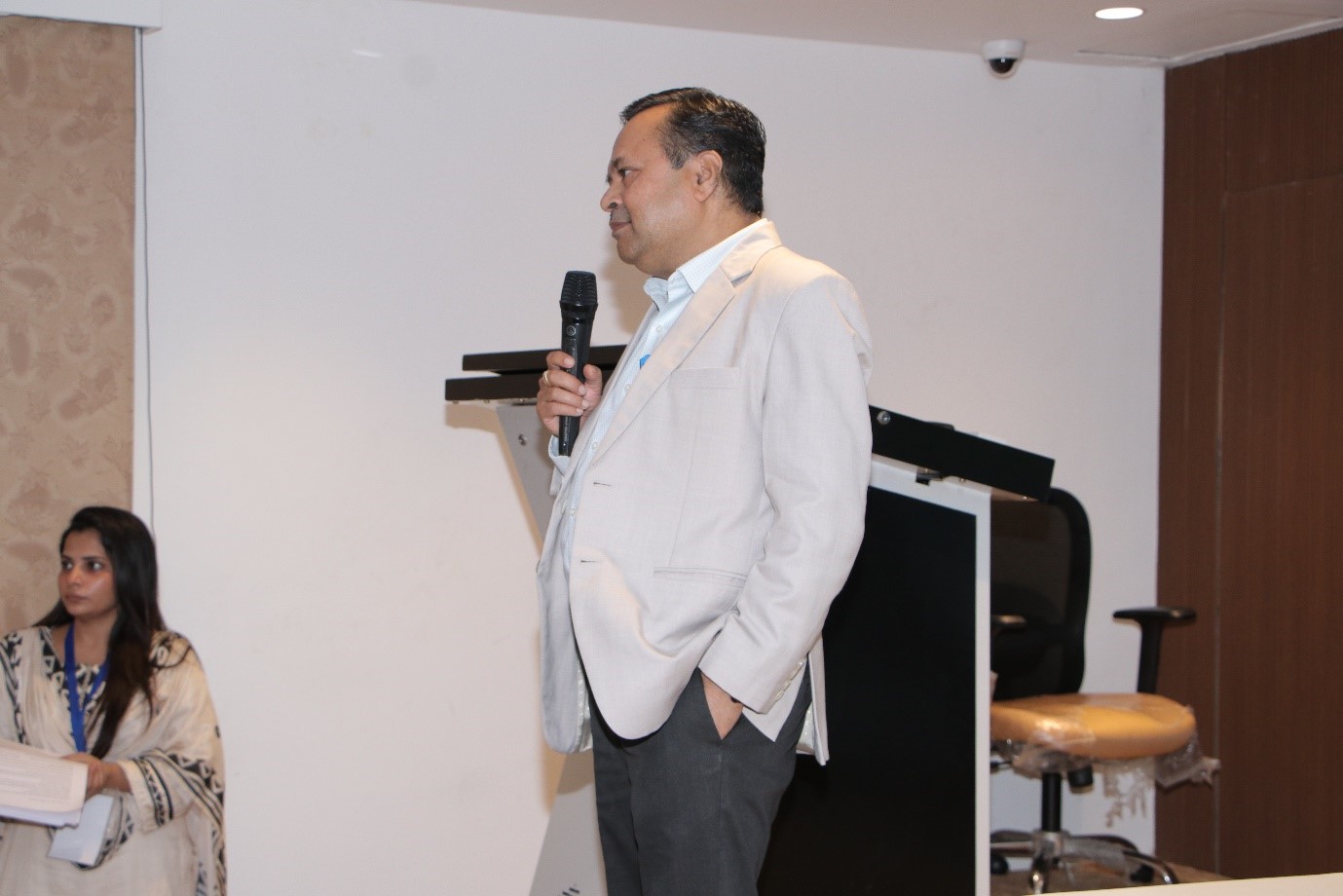
Participants stressed that medicinal plant quality depends on the welfare of cultivators. Ex-situ cultivation must provide farmers with stable, remunerative incomes, supported by effective policy frameworks and implementation at the grassroots level.
Regulation, Quality Standards and Patient Safety
Deliberations addressed regulatory mechanisms under the Drugs and Cosmetics Act and quality standards established by the Pharmacopoeia Commission for Indian Medicine & Homoeopathy (PCIM&H). Panel discussions explored the standardisation of classical AYUSH formulations, paediatric safety, international trade and intellectual property rights (IPR) compliance.
Dialogue with Industry and Research Institutions
The seminar featured an interactive session involving AYUSH industry representatives, suppliers, research institutes and regulatory bodies. Participants included Dr. Mohammed Khalid, Assistant Drug Controller-cum-Licensing Authority (Unani), Government of India; Dr. Pallavi Jachak, NIPER; Dr. S. M. Arif Zaidi, Dean, SUMER, Jamia Hamdard; Dr. Abraham Lee, CEO & MD, Atomy, South Korea; Mr. Syed Muneer Azmat, New Royal Products; Mr. Jalees Ahmed, Limra (U & A) Remedies; Mr. Nabeel Anwar, Secretary, UDMA; and Dr. Usman Hasan, Universal Biotech.
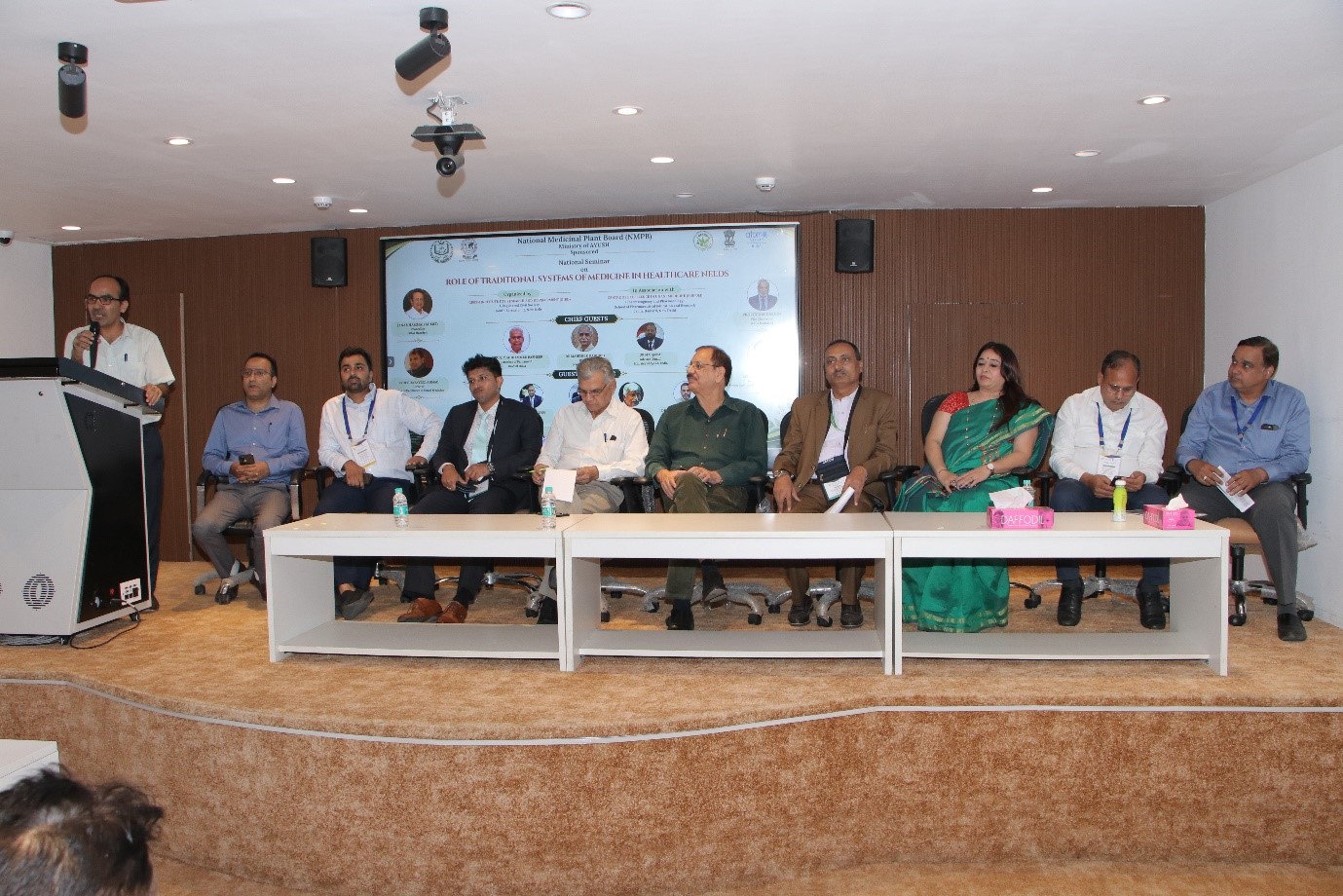
Future Initiative: Medicinal Plant Cultivation in Wayanad
Following the seminar, GIRD announced plans to undertake fieldwork to promote ex-situ cultivation of medicinal plants in Wayanad, Kerala. The initiative aims to support the availability of quality raw materials for the AYUSH industry while encouraging sustainable cultivation practices.
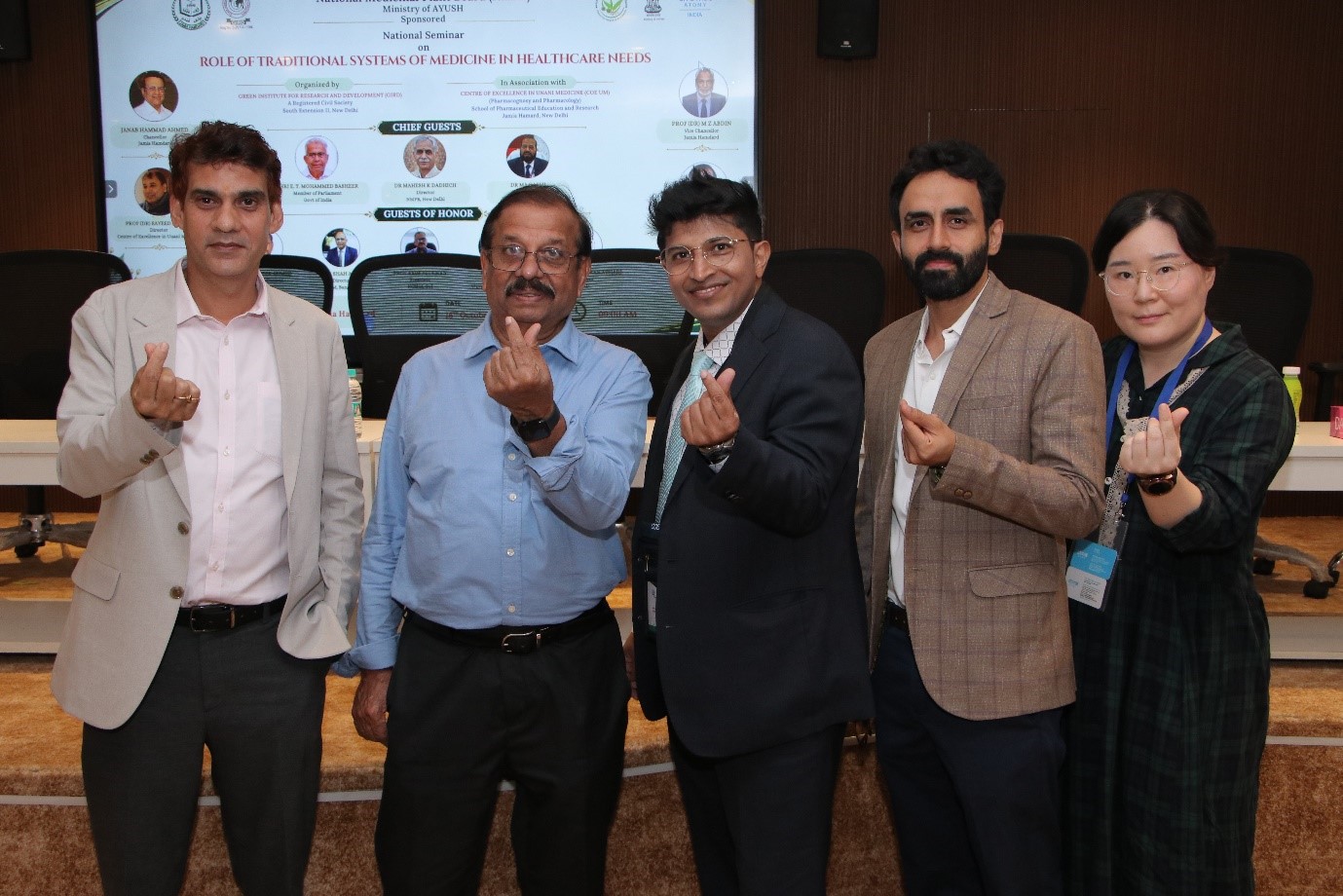
Participation and Knowledge Exchange
The seminar provided a platform for meaningful dialogue between scientific institutions, universities, government organisations and the AYUSH industry, fostering collaboration around research, safety, quality and sustainable sourcing.
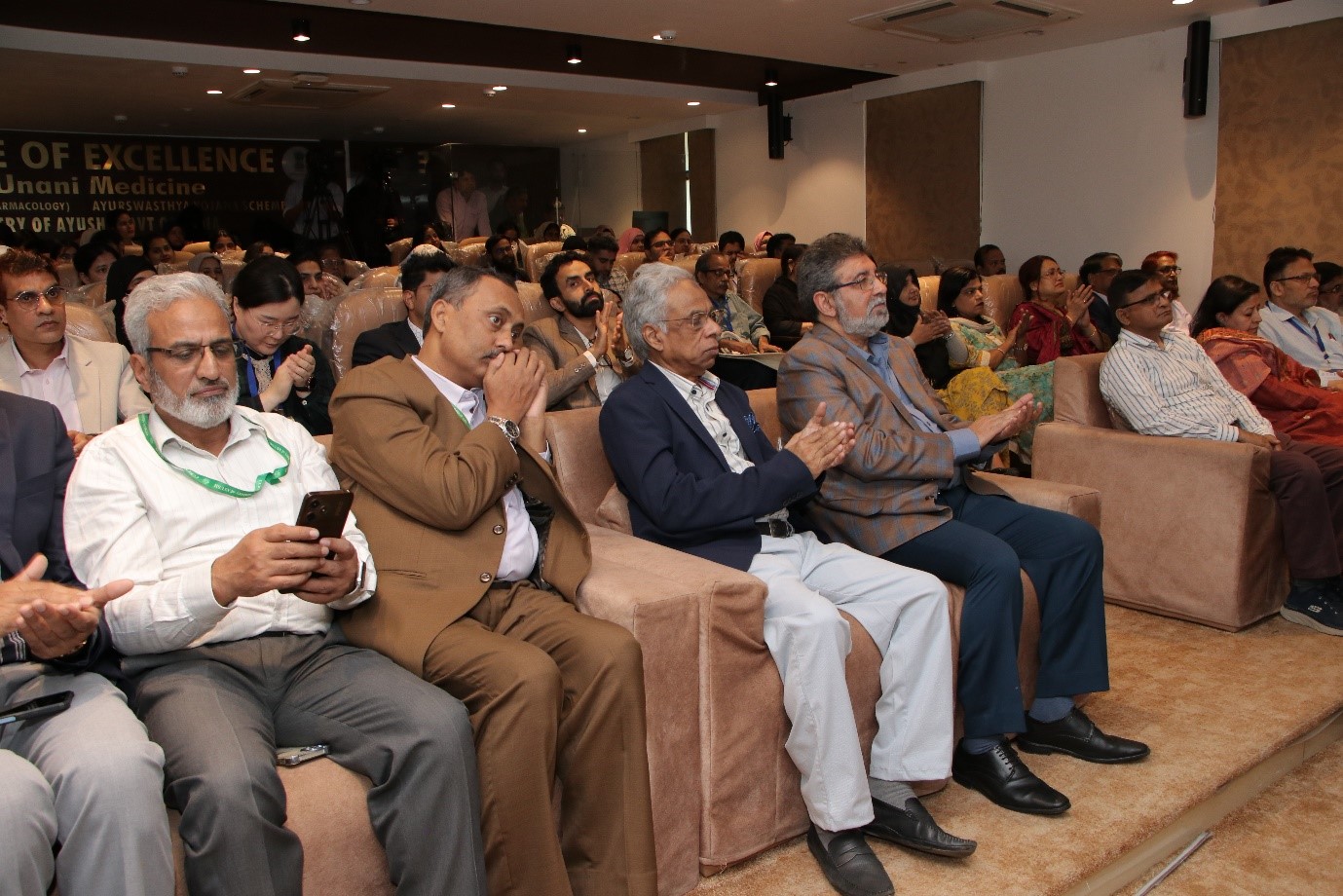
Watch the Seminar Video
Revisit the discussions, expert insights and key moments from the national seminar.
Conclusion
The seminar concluded with a high-level panel discussion titled “Traceability or Trust? Building a Transparent Medicinal-Plant Supply Chain from Farm to Finished Product”, followed by a valedictory session. The deliberations underscored that scientific rigour, stringent quality control, transparent sourcing and sustainable agricultural policies are essential to integrating traditional systems of medicine into modern healthcare and strengthening public healthcare delivery.